
I Ditched a $3,000 Pedalboard for a $90 Raspberry Pi and I'm Not Sorry
Raspberry as a full rig for live performance
OPEN SOURCEGUITARTECH
3/30/20264 min read
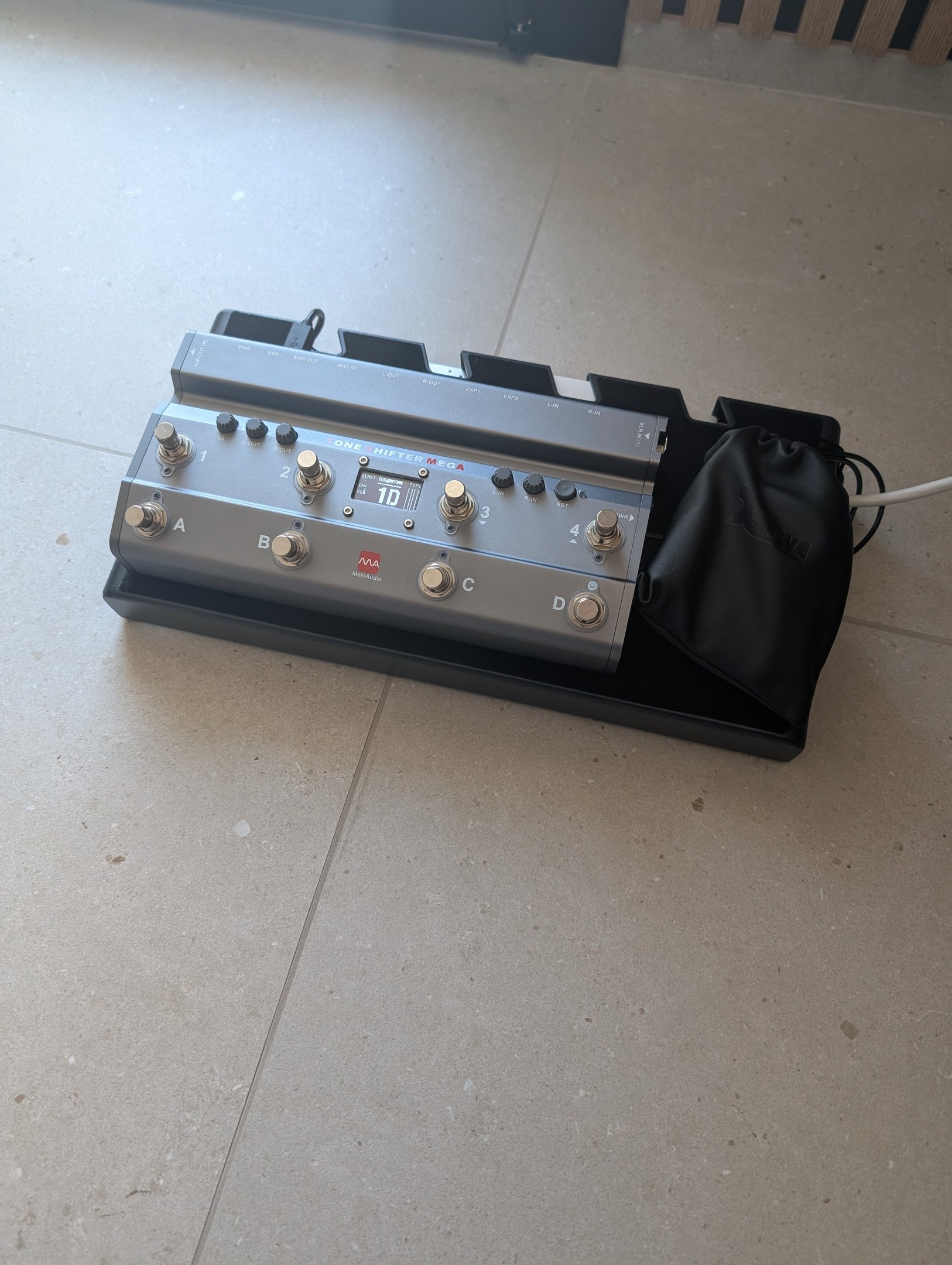
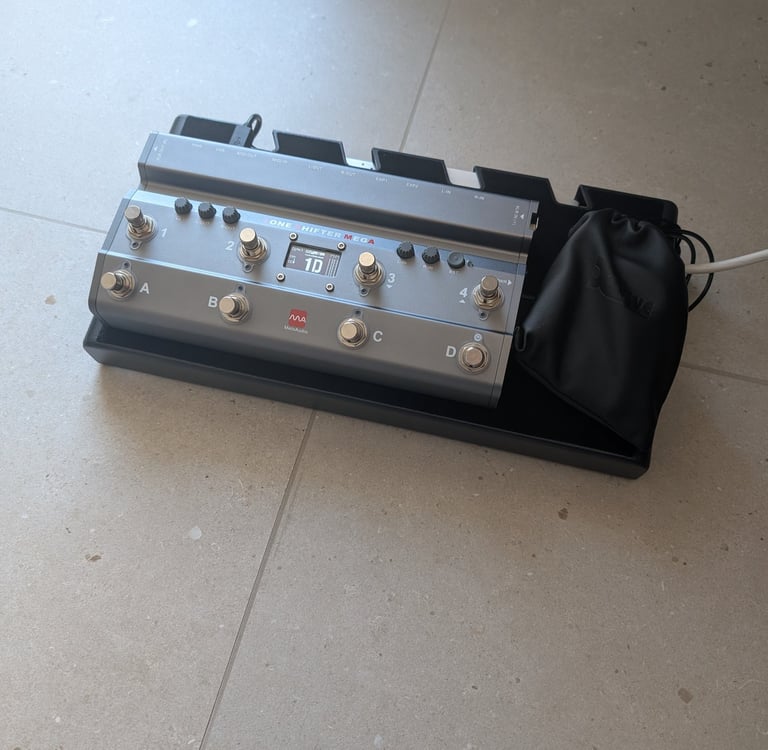
There's a certain kind of guitarist who will spend four hours debating the tonal difference between two cables that cost the same as a small vacation, then hand over their credit card without flinching. The gear industry has spent decades carefully cultivating this person. Boutique amplifiers. Hand-wired pedals. Tubes that need replacing every few years like expensive pets. The whole ecosystem runs on one beautiful lie: that digital will never really sound like analog. Spoiler — that lie is getting very tired.
1. The Dream of Being a Rock Star Dies. The Love Doesn't.
Nobody tells you this when you start playing guitar at six, but most musical ambitions don't end dramatically. They don't crash and burn. They just quietly reschedule — indefinitely. I had vague, embarrassing dreams of touring. They went nowhere, as vague dreams tend to do. Then COVID arrived and took the last remaining gig infrastructure with it, which at least made the situation feel less personal.
Five years later I played live again. One show. My anxiety built steadily from the soundcheck until the final chord, at which point it immediately converted into relief so intense it felt like smugness. I was hooked again.
At that moment my setup was very minimal: one guitar (a genuinely beautiful custom build by Emanuele Faggion) and a Supro amp that is charming in the way that a studio apartment is charming — fine until you need more room. But it was perfect for a easy pop and soul live but if you have to play more difference stuff it's just not enough
2. The Market Has an Elegant Solution, Which You Cannot Afford
So naturally I started shopping. This was a mistake. The guitar effects market operates on the assumption that everyone buying gear either just sold a startup or is financing their hobby through increasingly creative personal debt. I found exactly what I needed. I could not afford any of it. Not even close.
The full digital rig route — modelers, multi-effects units, the kind of thing that fits in a small bag and sounds like a wall of vintage amplifiers — starts at "uncomfortable" and climbs quickly to "genuinely offensive." The industry has decided that convenience is a premium feature. They are not wrong, exactly. They are just very annoying about it.
3. Neural Amp Modeler Is Either Black Magic or Very Good Math (Probably Both)
While refusing to spend money I didn't have, I stumbled onto Neural Amp Modeler. The concept is almost aggressively clever: you take a real amplifier, run test signals through it, capture its behavior with microphones, and then train a neural network to become that amplifier. Not approximate it. Not fake it politely. Actually replicate the way it compresses, distorts, breathes.
I tried it expecting to be mildly impressed and then go back to being broke. Instead I sat there slightly stunned. It sounds that good. The profiles — user-created captures of specific amps and pedals — are free, shared, and multiplying constantly. The gear community, for all its expensive taste, turns out to be extremely generous when the barrier to entry is just a microphone and some patience. It's a whole ecosystem of people handing you their $4,000 amp for free, which feels almost rude to accept.
4. A Raspberry Pi Has No Business Sounding This Good
Here's where it gets genuinely absurd, in the best possible way. NAM running on a laptop through a DAW is already impressive. But a DAW for live performance is a commitment — to stability, to a reasonable operating system, to not having your entire rig crash because an update decided tonight was the night (not my case i use linux).
Then I found Stompbox, built by Mike Oliphant — a piece of software that runs a complete digital pedalboard on a Raspberry Pi. The entire signal chain. Amp modeling, effects, routing — all of it, on hardware that costs less than a Tube Screamer. You control it from your Android phone.
It also has a built-in tuner and looper, which at this price point feels like finding a bonus room in a studio apartment.
5. Open Source Just Quietly Ate the Guitar Industry's Lunch
The punchline of this whole story is that none of it cost what it was supposed to cost. The amp modeling is free. The profiles are free. The software is open source. The hardware is a $90 computer that fits in a jacket pocket. The entire rig I'm building for my next live show would cost, at retail equivalence, somewhere between "unreasonable" and "small car down payment." I built it on an afternoon.
This is not a fluke or a hack or a clever workaround for people who can't afford the real thing. This is the real thing, assembled from a community of engineers and musicians who apparently decided the existing market wasn't good enough and made something better in their spare time. The gear industry spent decades telling us the digital future would arrive, eventually, at a price point they controlled. The open source world looked at that timeline and laughed.
The broader principle here isn't really about guitars. It's about what happens when an industry builds its business model around artificial scarcity and assumes the people who can't pay will simply go without. Sometimes they do. And sometimes they build something better in a Raspberry Pi case and put it on GitHub for free. The music industry should have learned this lesson around 2003. The gear industry is apparently still catching up.
6. A little "gift"
For you that have spent some minutes to read my Article reach this github repo https://github.com/odd-git/Stompbox-setup-script you will find a script that automate the stompbox setup. If find a bug open an issue.